how the nest works

Find a co-op session that fits your evening.

QuestNest turns a vague search for teammates into a simple starting brief: what you want to play, how long you have and what kind of group feels right. The aim is a focused, friendly way to get into a game without committing to an open-ended lobby.

the short version

Three signals shape a better match.

Your player profile gives a potential group useful context before anyone joins: your preferred games, your usual pace and the time you can set aside. QuestNest uses those signals to make discovery more intentional, while you remain in control of which session feels like a good fit.

Play style

Describe whether you usually prefer relaxed exploration, focused objectives or tactical teamwork.

Session length

Choose a realistic window, from a short run to a longer evening, so the group starts with shared expectations.

Group feel

Look for players who value clear communication, patience with questions and a good-faith approach to co-op.

your practical route

From profile to first round.

  1. Set up your player profile. Add the games or genres you enjoy, the platforms you use and a few words about how you like to cooperate. Keep it useful rather than exhaustive: a clear signal is easier for another player to understand.
  2. Choose your available time. Pick the session length that matches your actual schedule. A defined stopping point helps everyone decide whether the invitation works before play begins.
  3. Review compatible sessions. Compare the session brief, expected pace and group notes. Pay attention to details such as whether the group is learning together, working toward an objective or simply looking for a relaxed run.
  4. Join with a shared plan. Confirm the game, starting time and approximate finish. Once the group is together, agree on voice or text chat and ask any practical questions before the first round.
  5. Wrap up clearly. Signal when you need to leave, thank the group and note what worked for next time. A short, considerate close makes it easier to return to the same kind of session later.
a useful starting brief

Make the invitation easy to answer.

A strong session description gives people enough information to decide quickly. Try stating the game, the available window and the energy you want from the group.

Example

“Looking for two players for a 60–90 minute co-op run tonight. Relaxed pace, happy to explain the route, and aiming to finish at the agreed time.”

That kind of note does not promise a perfect match. It simply gives prospective teammates a clear way to opt in, ask a question or choose another session.

Colorful arcade setup ready for a shared gaming session
A clear plan leaves more room for teamwork once the game starts.
before you join

Use the quick readiness check.

Before accepting an invitation, make sure the basics line up. The best session is one you can join comfortably and finish without surprising the group.

  • Is the game and platform clear?
  • Does the session length fit your available time?
  • Does the stated pace match how you want to play today?
  • Are the communication expectations understandable?
  • Do you know what to do if you need to leave early?
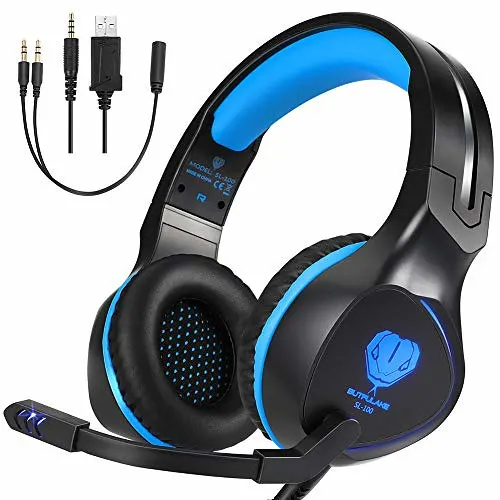
Gaming headset prepared for a coordinated co-op session
Small details about timing and communication help a group settle in faster.